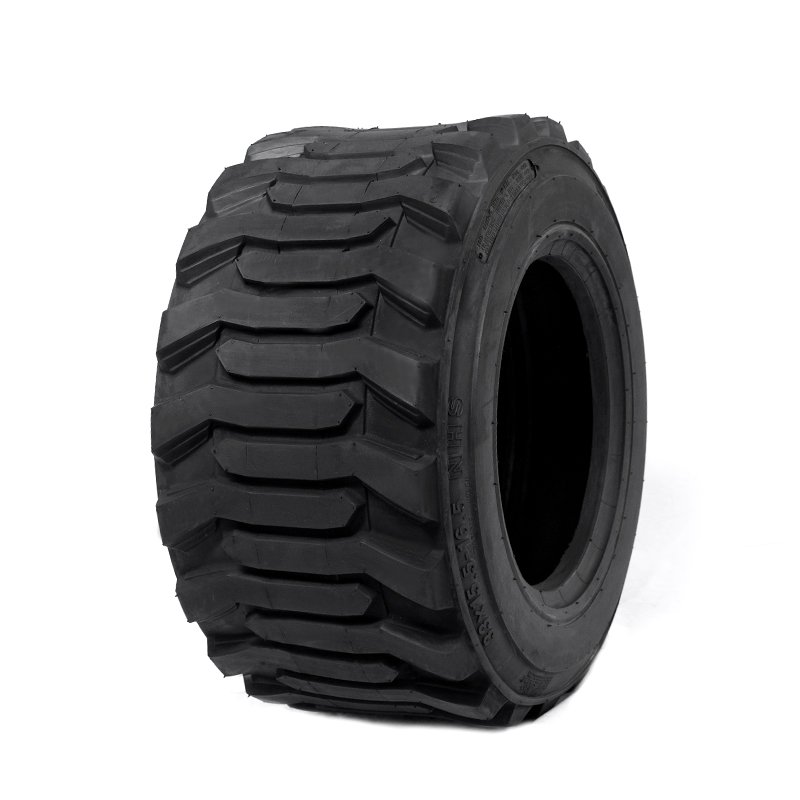




Polyurethane filled tires are filled with polyurethane filling material inside the tread, making the tread of the tire harder. This method of modifying vehicles has been adopted by many car owners because it is believed to provide better suspension system and driving performance. However, the impact of polyurethane filled tires on vehicle suspension systems is diverse, and it may have some negative effects on the suspension system and may also provide some positive improvements. In this article, we will discuss the impact of polyurethane filled tires on different types of vehicle suspension systems, as well as the potential issues and benefits it may bring.
Polyurethane filled tires can provide better suspension systems. Due to the hardening of the tread, this filling can reduce tire deformation, provide a more stable ground area, and thereby improve the performance of the suspension system. Especially during high-speed driving and emergency braking, polyurethane filled tires can reduce vehicle roll and suspension system sway, providing better stability and controllability. These improvements can provide a more comfortable and stable driving experience and increase driving safety.
However, polyurethane filled tires may also have some negative effects on the vehicle suspension system. Filling the tires may increase the load on the suspension system. Although the filler material is usually lighter than air tires, the increased load may still increase the wear and fatigue of the suspension system. Moreover, the stiffness of the filled tires may also make the vehicle's suspension system more susceptible to impact and vibration, leading to damage to the suspension system. Secondly, the hardness of the filled tires may lead to greater suspension system noise and vibration, reducing driving comfort.
In addition, polyurethane filled tires may also have some impact on the suspension geometry of the vehicle. The hardness of the filled tires may alter the load distribution of the vehicle, resulting in uneven effects on the suspension system and tire wear. This may lead to premature tire wear and shorten its service life. In addition, the stiffness of the filled tires may alter the vehicle's suspension height and ground angle, affecting the vehicle's ground clearance and passing performance. The vehicle needs to be adjusted appropriately based on the performance of the filled tires to avoid these issues.
Polyurethane filled tires are not suitable for all types of vehicles and driving conditions. Generally speaking, filled tires are more suitable for applications that require improved suspension system performance and stability, such as vehicle overloading, off-road driving, and competitive racing. For ordinary urban driving and applications with high comfort requirements, filling tires may not be the best choice.